
Understanding glove linings
Protection starts from within.
Explore how different inner layers support a glove’s purpose. Tell us about your application to discuss a suitable construction.
Cut Lining
Resistance for sharp-material handling.
Cut-resistant inner layers help reduce exposure when working with sharp edges. Protection varies with the complete glove construction, so compare the tested cut performance with the task while considering grip, fit and finger movement.
ANSI/ISEA 105 and EN 388 use different classification systems. A higher cut rating does not establish protection against every hazard, and cut resistance alone does not establish resistance to hypodermic needles.
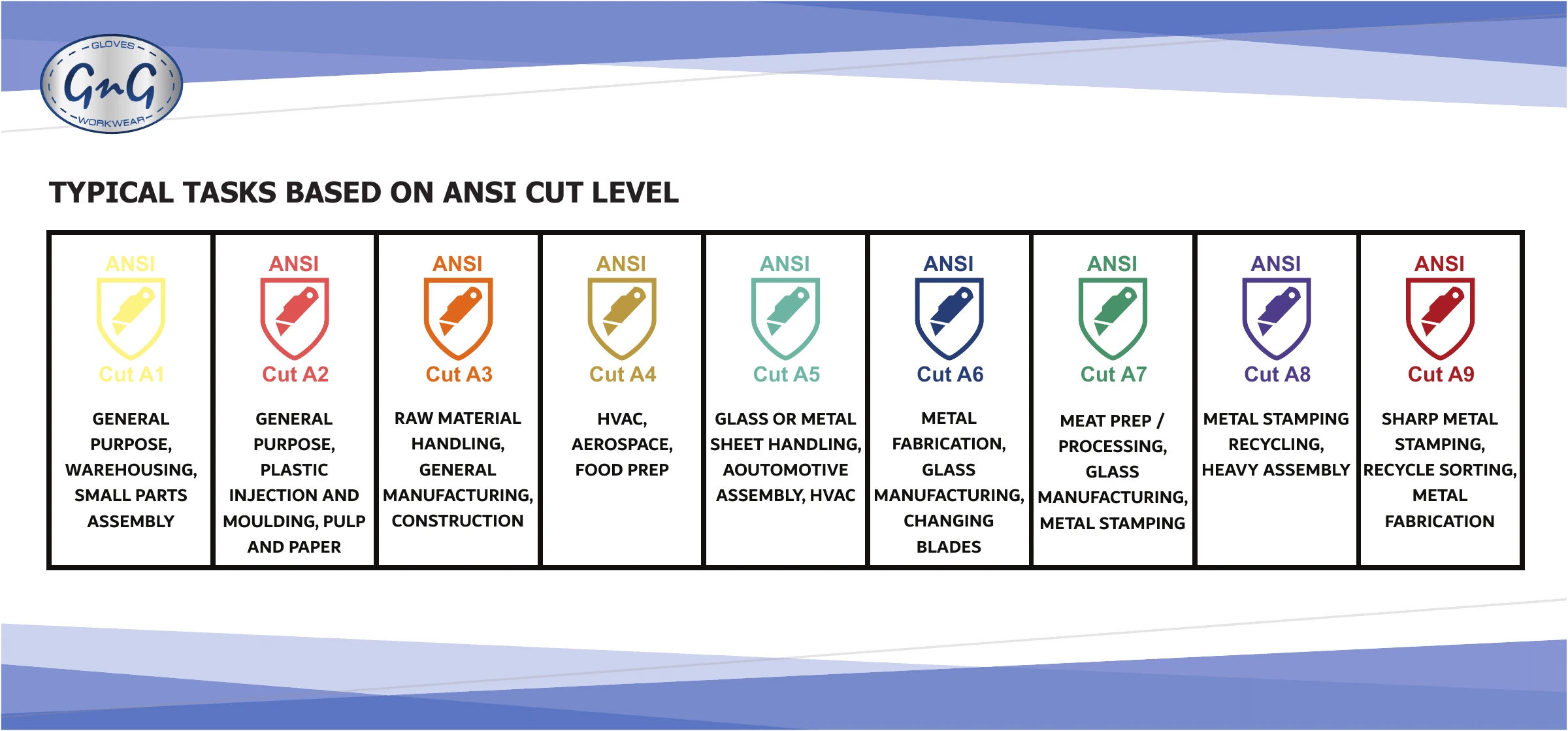 Open ANSI cut levels chart (PDF)
Heat Protection Lining
An inner layer for thermal exposure.
Heat-resistant fabrics can be used inside a glove to help manage heat transfer during work with hot materials. The lining, outer material and coverage need to be considered together rather than judging protection by the appearance of the glove.
Choose the complete glove against its documented thermal performance and intended application. Contact heat and flame exposure are different conditions; a lining description on its own is not a temperature rating.
Waterproof Lining
A barrier between wet conditions and the hand.
A waterproof inner barrier helps keep external moisture away from the hand in wet working conditions. It can be combined with a suitable outer shell and insulating layers when both moisture and cold need to be addressed.
Water-resistant outer fabric and a waterproof lining serve different roles. Discuss the full construction, cuff design and working conditions when specifying a glove for wet tasks.
Winter Lining
Insulation with working comfort in mind.
Insulating inner layers help retain warmth around the hand in cold conditions. Soft fleece and other insulating constructions can support comfort, while the outer shell can help address wind and moisture.
The right balance depends on the environment and the work. Consider insulation alongside fit, flexibility and grip, and specify a waterproof barrier separately when the job also involves wet conditions.
Hypodermic Needle Protection Lining
Specialist resistance to fine, pointed hazards.
Hypodermic needles present a different challenge from sharp edges or larger puncturing objects. Specialist protective layers should be selected using evidence that specifically addresses needlestick hazards and the areas of the hand covered.
Do not infer needle protection from a general cut or puncture rating. Look for relevant needlestick test information, such as ASTM F2878, and review the full glove construction with the application in mind.
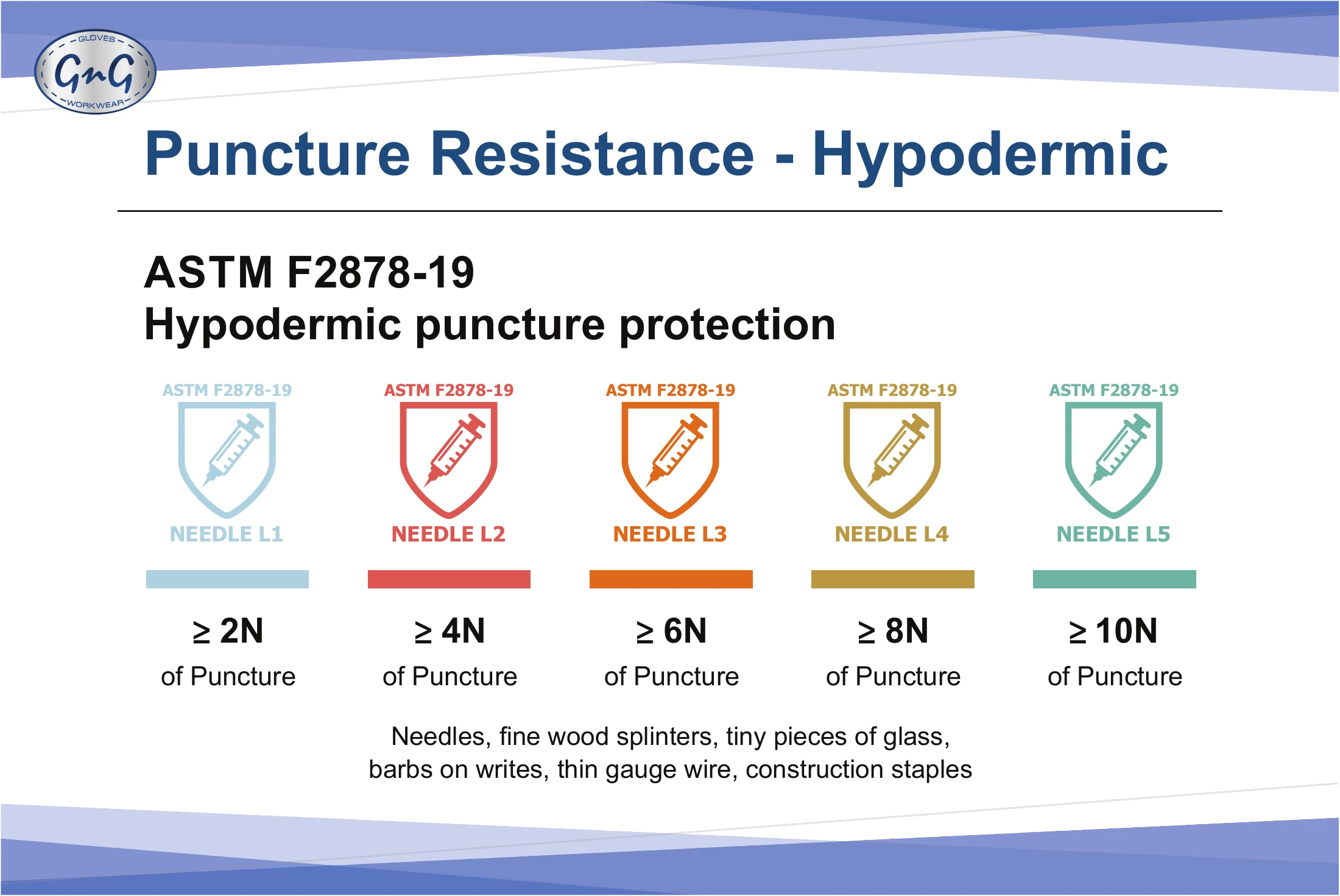 Open Hypodermic needle puncture resistance levels chart (PDF)